
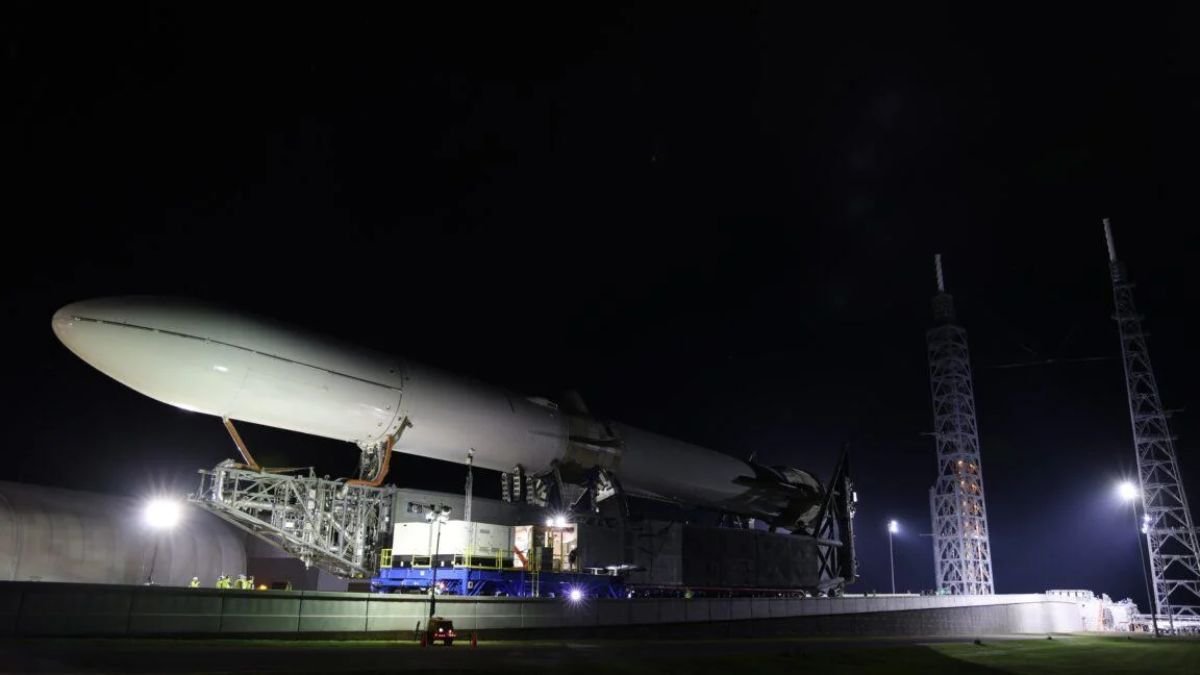
Blue Origin is moving forward with plans to resume launches before the end of 2026 despite the dramatic explosion of its New Glenn rocket during a test operation at the company’s Florida launch complex less than a week ago.
Company CEO Dave Limp shared an update on social media, revealing that teams have completed an initial assessment of the damaged launch infrastructure and identified several critical systems that survived the incident.
The update provides the clearest picture yet of Blue Origin’s recovery strategy as it works to rebuild its launch capabilities and continue supporting future commercial and government missions.
Initial Inspection Reveals Key Infrastructure Survived
According to Limp, engineers were able to access the LC-36A launch site and conduct a preliminary evaluation of the damage.
The assessment found that several major components remained intact, including:
- The propellant storage facility
- Liquid oxygen tanks
- Liquid hydrogen tanks
- Liquefied natural gas (LNG) tanks
- The launch site’s water tower
These systems are considered particularly valuable because they require long manufacturing timelines and are expensive to replace.
Their survival is expected to simplify parts of the recovery effort and reduce reconstruction costs.
Blue Origin Commits to Rebuilding Launch Complex LC-36A
The company confirmed it will rebuild Launch Complex 36A (LC-36A) rather than abandon the facility.
The site was specifically designed to support the 7×2 version of the New Glenn rocket, referring to the configuration of seven first-stage engines and two second-stage engines.
Alternative Launch Pad Remains an Option
Before the announcement, industry observers had speculated that Blue Origin might shift its focus to the neighboring LC-36B facility.
That launch pad is intended to accommodate the larger 9×4 New Glenn variant, which would feature nine engines on the first stage and four on the upper stage.
However, current plans indicate the company intends to continue operating from the existing LC-36A site after reconstruction is complete.
Transporter-Erector Will Not Be Replaced
One of the most significant losses during the explosion was the massive transporter-erector system, the structure used to move the New Glenn rocket from the integration facility to the launch pad and position it vertically for launch operations.
The equipment was reportedly damaged beyond repair.
Despite this setback, Limp revealed that Blue Origin had already been developing a different launch processing approach.
New Vertical Integration Concept
Instead of constructing a replacement transporter-erector, the company plans to transition directly to an alternative vertical integration system that had already been under development.
This decision could potentially streamline future launch operations while eliminating the need to manufacture another massive transport structure.
According to Limp, this strategy is expected to accelerate the recovery timeline.
Company Aims for Launch Return Before Year-End
Blue Origin maintains an aggressive target of returning New Glenn to flight before the end of 2026.
The announcement suggests the company intends to minimize disruptions to future missions while continuing development of the New Glenn program.
The commitment also signals Blue Origin’s desire to keep its own launch vehicle at the center of upcoming projects rather than relying on competing rockets.
Industry observers note that maintaining this schedule could reduce pressure to move missions such as the Blue Moon lunar lander onto SpaceX’s Falcon Heavy rocket.
Experts Question the Six-Month Recovery Timeline
Although Blue Origin remains optimistic, some industry sources believe the proposed timeline may be difficult to achieve.
Significant Reconstruction Required
The explosion caused substantial damage to the LC-36A facility, and rebuilding will likely involve:
- Structural repairs
- Concrete foundation work
- New launch support hardware
- Safety system restoration
- Extensive inspections and certifications
Some of the required materials and specialized components can take months to manufacture and deliver.
Workforce Challenges
The recovery effort may also depend on the availability of highly specialized personnel, including:
- Welders
- Technicians
- Launch hardware specialists
- Construction crews
- Engineering teams
Historically, Blue Origin has taken a measured approach to development and testing, making such an accelerated rebuilding schedule unusual for the company.
More Conservative Estimates Suggest 12–18 Months
Several industry sources have suggested a more realistic timeline for returning LC-36A to operational status could range from 12 to 18 months.
If reconstruction takes that long, the delay could affect several high-profile programs, including NASA’s Artemis initiative.
Potential Impact on Artemis Missions
NASA is counting on:
- New Glenn launch vehicles
- Blue Moon lunar landers
to support future lunar cargo deliveries and eventually crewed missions to the Moon.
A lengthy delay could force adjustments to mission schedules and transportation plans.
NASA and Space Force Support Could Accelerate Recovery
Despite the challenges, Blue Origin benefits from strong government support.
Following the incident, NASA Administrator Jared Isaacman reportedly expressed full support for the company’s recovery efforts during a visit with CEO Dave Limp and Blue Origin founder Jeff Bezos.
Federal Agencies Expected to Assist
The company may also receive support from:
- NASA
- U.S. Space Force
- Launch range authorities at Cape Canaveral
Such assistance could include:
- Accelerated regulatory reviews
- Technical expertise
- Coordination support
- Infrastructure assistance
These advantages could help shorten the overall recovery process.
Cause of the Explosion Still Under Investigation
Blue Origin has not yet officially identified the root cause of the failure.
However, speculation within the aerospace community has focused on a possible malfunction involving one of the rocket’s first-stage BE-4 engines during a static fire test.
According to preliminary discussions, the engine issue may have triggered a chain reaction that ultimately destroyed portions of both the first and second stages.
BE-4 Engine Maintains Strong Overall Record
Despite the incident, the BE-4 engine remains one of the industry’s most successful modern rocket engines.
The propulsion system powers:
- Blue Origin’s New Glenn rocket
- United Launch Alliance’s Vulcan rocket
The engine has accumulated a generally positive performance record across previous missions.
Because of that history, many analysts believe Blue Origin will be able to identify the cause of the anomaly and implement corrective measures without major long-term technical setbacks.
The Biggest Challenge May Be the Launch Site
For many observers, the damaged launch infrastructure—not the rocket itself—represents the most significant obstacle facing Blue Origin.
While engineers are expected to determine the cause of the failure and certify the vehicle for future flights, restoring launch capability at LC-36A may ultimately dictate how quickly New Glenn can return to service.
The coming months will therefore be critical as Blue Origin balances reconstruction efforts, technical investigations, and its ambitious goal of launching New Glenn again before the end of 2026.
