
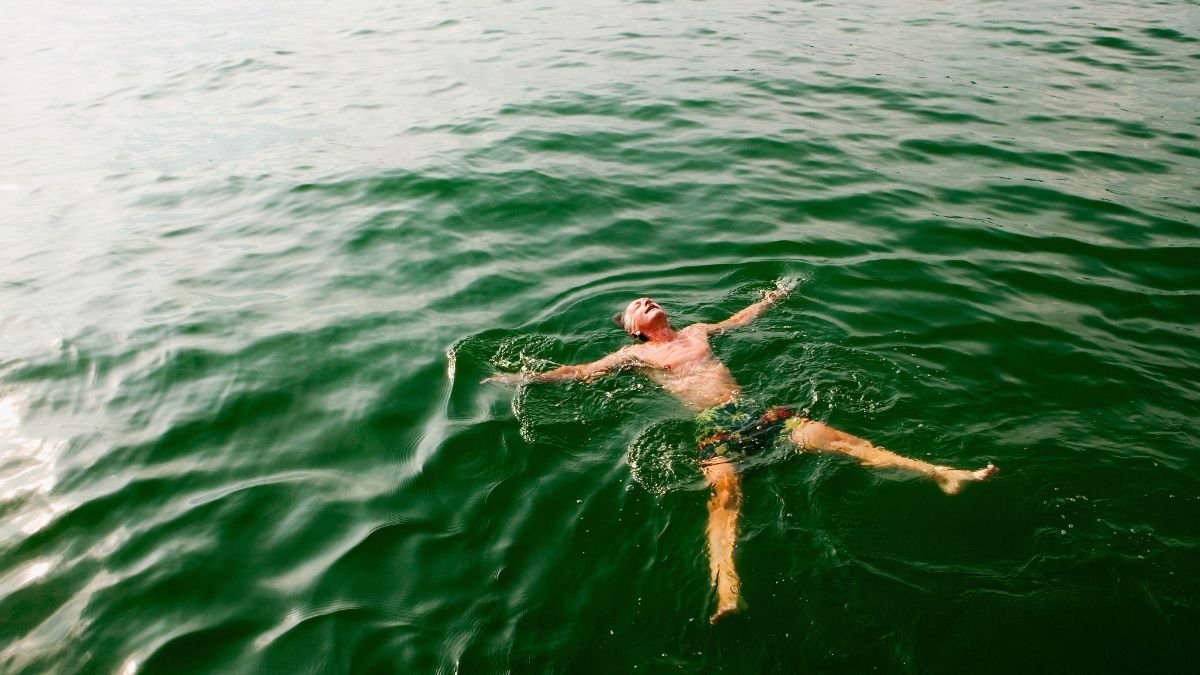
A refreshing swim in a lake is a favorite summer activity for many people, but natural freshwater environments can sometimes expose swimmers to certain health hazards. While serious infections remain uncommon, experts say it is important to understand the risks and take simple precautions before entering untreated water.
One of the rarest but most concerning threats is Naegleria fowleri, often referred to as the “brain-eating amoeba.” This organism can infect individuals when warm freshwater enters the nose. It is important to note that infection does not occur from drinking the water.
Health experts advise seeking immediate medical attention if symptoms such as severe headache, fever, vomiting, stiff neck, confusion, or other neurological issues develop after exposure to warm freshwater.
Why Natural Freshwater Can Pose Health Concerns
Unlike swimming pools, lakes are not filtered or chemically disinfected. As a result, they can naturally contain bacteria, parasites, viruses, and other microorganisms.
Public health specialists note that the greatest risks are typically associated with:
- Warm, stagnant water
- Poor water quality
- Areas with visible algae, scum, or foul odors
- Swimming after heavy rainfall
- Swallowing water or forcing water into the nose
Although severe parasitic infections are rare, several organisms found in freshwater can potentially cause illness.
Common Parasites Found in Freshwater Lakes
Several parasites are known to inhabit natural freshwater environments.
Naegleria fowleri
This microscopic amoeba is found primarily in warm freshwater environments such as lakes, ponds, and hot springs.
If contaminated water enters the nasal passages, the organism can travel to the brain and cause primary amebic meningoencephalitis (PAM), a disease that is almost always fatal.
Fortunately, infections are extremely rare, with fewer than five cases typically reported annually in the United States.
Giardia
Giardia is considered the most frequently reported parasitic infection in the country, causing an estimated one million cases each year.
People become infected after swallowing contaminated water.
Common symptoms include:
- Diarrhea
- Stomach cramps
- Nausea
- Excessive gas
- Foul-smelling or greasy stools
Most cases are mild and resolve with treatment, although dehydration can become a concern if symptoms persist.
Cryptosporidium (Crypto)
Cryptosporidium, commonly called Crypto, causes approximately 800,000 infections annually.
The parasite spreads through contaminated water and typically produces:
- Watery diarrhea
- Stomach discomfort
- Dehydration
Healthy individuals often recover without specific treatment, but people with weakened immune systems may experience more severe or prolonged illness.
Swimmer’s Itch
Swimmer’s itch is a skin rash caused by parasite larvae released by snails and waterfowl.
While uncomfortable and itchy, the condition is generally not dangerous and usually resolves on its own.
Bacteria and Viruses Can Also Be Present
Parasites are not the only concern in freshwater lakes.
Untreated water may also contain harmful bacteria and viruses that can cause illness if swallowed or if contaminated water enters the mouth.
Some of the more common microorganisms include:
Bacterial Risks
- E. coli
- Shigella
Viral Risks
- Norovirus
These pathogens can lead to gastrointestinal illnesses and other health complications.
Understanding the Risk of Naegleria fowleri
Among all freshwater-related infections, Naegleria fowleri receives the most public attention because of its severity.
The amoeba is most commonly associated with:
- Warm southern lakes during summer months
- Hot springs
- Stagnant freshwater environments
Although infections remain exceptionally uncommon, the disease progresses rapidly and requires immediate medical attention.
Symptoms to Watch For
Early symptoms may include:
- Severe headache
- Fever
- Nausea
- Vomiting
As the infection progresses, individuals may experience:
- Stiff neck
- Confusion
- Seizures
- Neurological abnormalities
Prompt medical evaluation is critical if these symptoms develop after water enters the nose during freshwater activities.
How to Reduce Your Risk While Swimming
Experts emphasize that people do not need to avoid freshwater lakes altogether.
Instead, a few practical safety measures can significantly reduce exposure risks.
Before Swimming
- Review local beach and water quality advisories
- Avoid swimming in water that appears green, foamy, scummy, or foul-smelling
- Stay out of areas that have been posted as unsafe
During Swimming
- Avoid swallowing lake water
- Do not swim if you currently have diarrhea
- Use a nose clip in warm freshwater environments
- Keep your head above water when possible
- Limit activities that force water into the nose
After Swimming
- Shower thoroughly
- Dry off completely
- Wash your hands before eating
These simple habits can help reduce exposure to many waterborne pathogens.
When to Seek Medical Attention
After spending time in a lake or other freshwater environment, it is important to monitor for symptoms that may indicate infection.
Contact a healthcare provider if you experience:
- Persistent or severe diarrhea
- Fever
- Vomiting
- Worsening skin rash
- Ear pain
- Eye irritation
- Signs of skin infection
Seek Emergency Care Immediately If You Experience:
- Severe headaches
- High fever
- Neck stiffness
- Confusion
- Seizures
- Neurological symptoms
These signs could indicate a rare but serious infection requiring urgent treatment.
Enjoying Freshwater Safely
Swimming in lakes remains a popular and generally safe outdoor activity for millions of people each year. While natural freshwater environments can contain bacteria, viruses, and parasites, most illnesses are preventable through awareness and proper precautions.
By paying attention to water conditions, avoiding water entering the nose or mouth, and recognizing potential warning signs after exposure, swimmers can continue enjoying lakes while minimizing health risks.
