
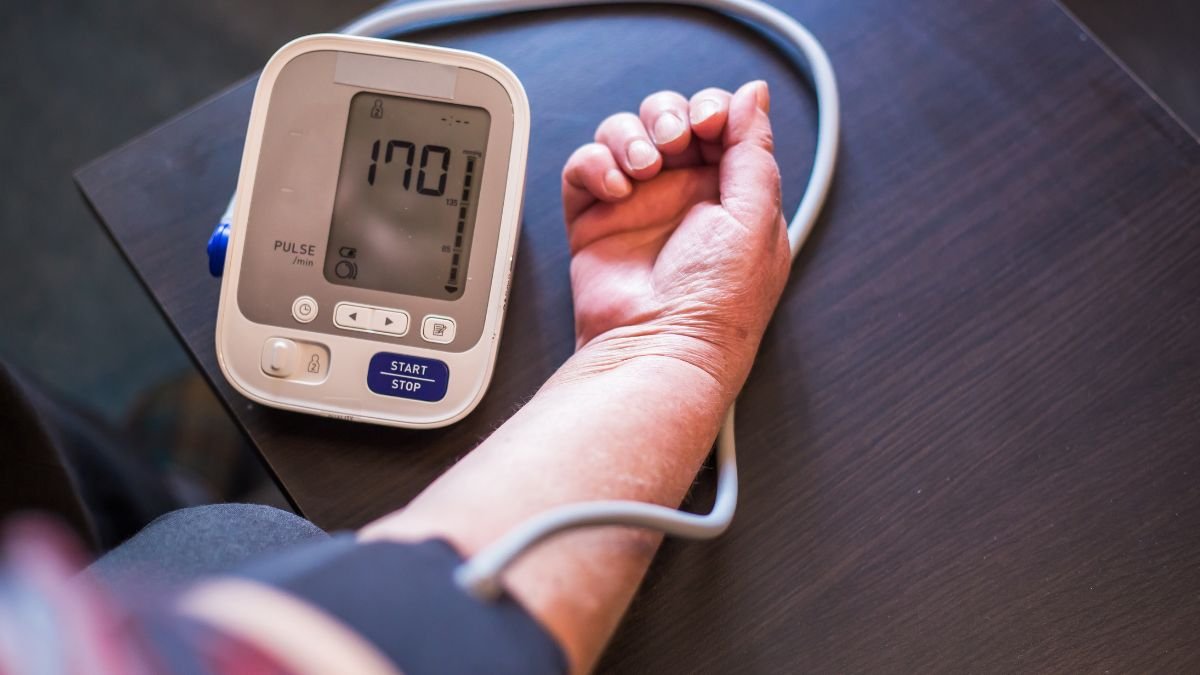
A comprehensive review of clinical research suggests that GLP-1 medications may help reduce blood pressure through mechanisms that extend beyond their well-known effects on weight loss.
The findings, presented at the European Congress on Obesity in May and submitted for peer-reviewed publication, indicate that these increasingly popular obesity and diabetes treatments could play a broader role in cardiovascular health.
Large Review Examines Nearly 44,000 Adults
Researchers evaluated data from 32 Phase 3 clinical trials involving almost 44,000 adults living with overweight or obesity.
Participants had:
- An average age of 52 years
- An average body mass index (BMI) of 35.5
- Approximately 50% female representation
- About 59% diagnosed with high blood pressure
The analysis aimed to determine whether reductions in blood pressure associated with GLP-1 medications were solely the result of weight loss or if other biological effects were contributing.
Most Blood Pressure Improvements Linked to Weight Loss
The review found that roughly 77% of the observed blood pressure reduction could be attributed to weight loss achieved during treatment.
However, researchers also discovered evidence that GLP-1 medications appeared to lower blood pressure independently of changes in body weight.
Based on these findings, the authors concluded that GLP-1 therapies may have a meaningful role in managing hypertension among people with overweight or obesity.
They also emphasized the need for further research to better understand both the weight-related and weight-independent mechanisms involved.
Blood Pressure Reductions Considered Clinically Meaningful
Medical experts note that the decreases observed in clinical studies may appear modest but still carry important health benefits.
According to Dr. Jordana Cohen, an associate professor of medicine and epidemiology at the University of Pennsylvania and volunteer expert for the American Heart Association, GLP-1 medications typically lower systolic blood pressure by approximately 3 to 6 mmHg.
In many cases, these improvements were also associated with reduced reliance on traditional blood pressure medications.
How GLP-1 Drugs May Lower Blood Pressure
Researchers believe several biological mechanisms could explain why GLP-1 medications improve blood pressure beyond their effect on body weight.
Improved Blood Vessel Function
One possibility is that GLP-1 drugs promote vasodilation, a process that widens blood vessels and improves blood flow throughout the body.
Wider blood vessels reduce resistance within the circulatory system, helping lower blood pressure levels.
Enhanced Sodium Removal
The medications may also encourage the kidneys to eliminate excess sodium more efficiently.
Because sodium retention contributes to elevated blood pressure, increased sodium excretion may help improve cardiovascular outcomes.
Additional Cardiovascular Effects
Other potential benefits being studied include:
- Reduced arterial stiffness
- Improved vascular health
- Enhanced hormone regulation involved in blood pressure control
- Better overall cardiovascular function
Researchers continue to investigate how these mechanisms work together.
Similar Benefits Seen in Type 2 Diabetes Studies
Previous research involving people with type 2 diabetes has also shown blood pressure reductions among users of GLP-1 receptor agonists.
However, according to endocrinologist Dr. Marcel Muskiet of Leiden University Medical Center in the Netherlands, the effects were generally smaller than those observed in obesity-focused studies.
Researchers believe this difference may be linked to the greater weight loss typically achieved in obesity treatment trials.
Actual Benefits May Be Greater Than Reported
Dr. Muskiet suggested that the review may actually underestimate the full blood-pressure-lowering potential of GLP-1 medications.
During several clinical trials, participants whose blood pressure improved were advised to reduce or discontinue some of their blood pressure medications.
As a result, the measured improvements may not fully reflect the medications’ total impact on cardiovascular health.
Can GLP-1 Medications Replace Blood Pressure Drugs?
Despite the encouraging findings, experts caution that it is far too early to view GLP-1 therapies as replacements for traditional hypertension treatments.
Current recommendations from the American College of Cardiology continue to emphasize:
- Smoking cessation
- Heart-healthy eating habits
- Regular physical activity
- Appropriate use of prescribed blood pressure medications
Researchers stress that patients should not stop taking hypertension medications without consulting their healthcare provider.
More Studies Underway
Several ongoing clinical trials are examining whether GLP-1 medications could eventually become a more significant part of blood pressure management strategies.
Scientists hope future research will determine:
- Whether these drugs can consistently bring blood pressure into healthy ranges
- Which patients benefit most
- How the medications produce their cardiovascular effects
- Whether they can reduce long-term heart disease risk
Potential to Address a Major Treatment Gap
If future studies confirm substantial blood pressure benefits, GLP-1 therapies could help address gaps in hypertension treatment, particularly among younger women.
Researchers highlighted recent findings presented at the American College of Cardiology Annual Scientific Session showing a concerning rise in hypertension-related deaths among women aged 25 to 44.
The mortality rate increased from 1.1 deaths per 100,000 individuals in 1999 to 4.8 deaths per 100,000 in 2023.
Experts believe improved treatment options could play an important role in reversing that trend.
Growing Interest in Cardiovascular Benefits
As evidence continues to emerge, GLP-1 medications are attracting increasing attention not only for weight management but also for their potential cardiovascular advantages.
While more research is needed before treatment guidelines change, the latest findings suggest these therapies may offer benefits that extend beyond weight loss alone, potentially contributing to improved blood pressure control and overall heart health.
