
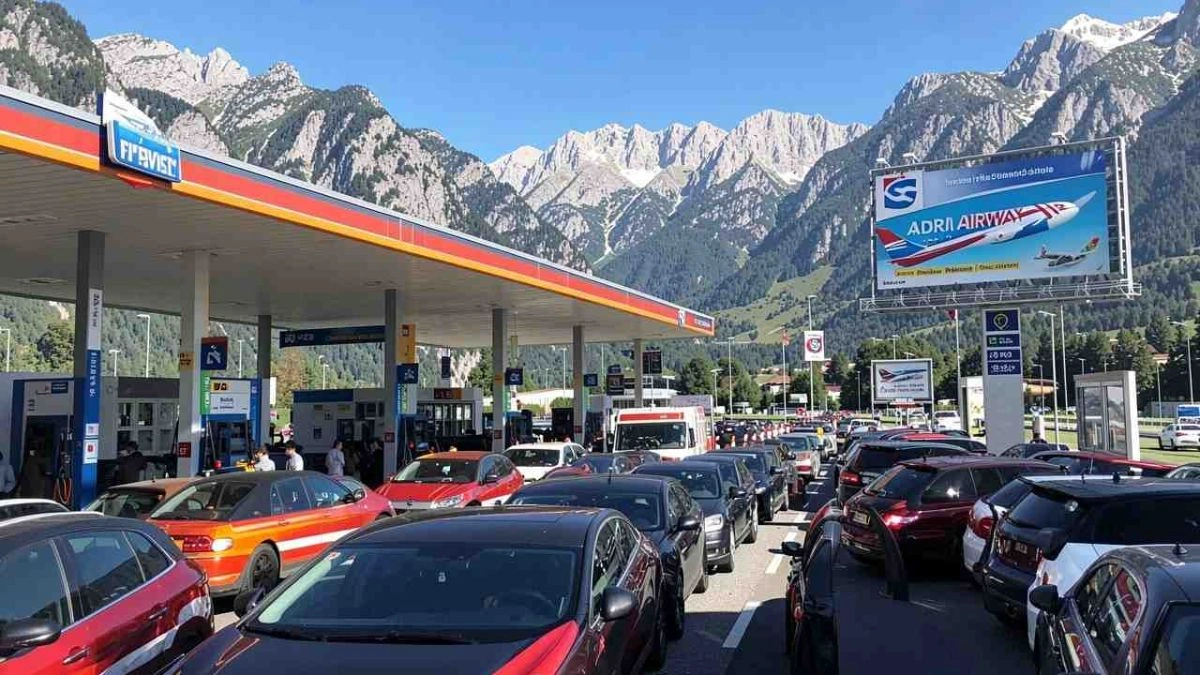
Germany, Italy, and Austria are among the nations most affected as Slovenia becomes the first European Union country to introduce fuel rationing amid ongoing global energy disruptions.
This unprecedented move, triggered by geopolitical tensions linked to U.S.-Israeli strikes on Iran and retaliatory actions in the Gulf region, has begun reshaping travel across Europe. Rising fuel prices have significantly increased airline operating costs, leading to reduced services and higher fares—especially for routes connected to Slovenia.
For travelers planning European holidays in 2026, this situation is creating new challenges, from limited flight availability to rising travel expenses.
Airlines Reduce Routes and Adjust Schedules
Major carriers such as Lufthansa and Adria Airways have already started modifying their operations in response to the fuel crisis.
Lufthansa is expected to cut back on certain short-haul flights from key German cities like Frankfurt, Munich, and Berlin—routes that typically serve both tourists and business travelers heading to Slovenia. Meanwhile, Adria Airways has suspended several regional connections across Central and Eastern Europe.
These changes are largely driven by the rising cost of jet fuel, which continues to impact airline profitability. As a result, passengers may experience fewer flight options and increased ticket prices, particularly during peak travel periods.
Rising Airfares Impact Tourists from Austria and Croatia
Travelers from Austria and Croatia are also feeling the effects of the fuel crisis. Austrian Airlines has already raised ticket prices for flights into Slovenia, reflecting increased operational expenses.
Similarly, Croatia Airlines has reduced certain services, prioritizing more profitable routes. This shift is affecting tourists who traditionally rely on short-haul flights or quick cross-border travel for weekend trips.
With reduced availability and higher fares, tourists are being encouraged to book flights well in advance to avoid last-minute price surges.
Impact on Slovenia’s Hospitality Sector
The ripple effects of fuel rationing are extending beyond aviation into Slovenia’s tourism and hospitality industry. Higher fuel costs are discouraging road travel, particularly among visitors from neighboring countries like Austria and Italy.
While large hotel chains in major cities remain relatively stable due to international demand, smaller accommodations—especially in rural or border areas—are beginning to see a drop in bookings.
However, one emerging trend is the rise in longer stays. Travelers choosing to visit Slovenia are extending their trips to maximize value, which is helping hotels and resorts maintain occupancy levels.
Shift Toward Longer and Experience-Based Travel
Despite short-term challenges, Slovenia is benefiting from a growing preference for immersive and experience-driven tourism. Instead of quick visits, travelers are opting for extended stays that allow them to explore multiple attractions.
Destinations like Ljubljana, Lake Bled, and Piran are attracting visitors interested in activities such as hiking, wine tours, and cultural experiences. Slovenia’s focus on eco-tourism and sustainability is also aligning with global travel trends.
Hotels and tour operators are adapting by offering packages that include guided tours, countryside experiences, and multi-day itineraries.
Rail Travel Emerges as a Practical Alternative
With rising fuel costs impacting air and road travel, many tourists are turning to Slovenia’s rail network as a more affordable and eco-friendly option.
Train services connecting major cities like Ljubljana, Maribor, and Koper have seen increased demand. Additionally, Slovenia’s rail system links efficiently with neighboring countries such as Italy, Austria, and Croatia, making it a convenient alternative for international travelers.
Rail travel not only reduces costs but also offers scenic routes, enhancing the overall travel experience.
Key Travel Tips for Visitors in 2026
To navigate the challenges posed by the fuel crisis, travelers should consider the following strategies:
- Book flights early to secure better prices and availability
- Use alternative airports in nearby countries and travel onward by train or car
- Leverage rail transport for cost-effective and sustainable travel
- Look for extended stay deals offered by hotels and resorts
- Plan for higher expenses across transportation, accommodation, and services
- Stay updated on fuel availability and travel conditions
Flexibility and early planning will be essential for a smooth travel experience.
How Slovenia Is Responding to the Crisis
Slovenian authorities and tourism organizations are actively working to adapt to the situation. Efforts include promoting alternative transport options, expanding rail connectivity, and encouraging eco-friendly tourism.
Collaboration between airlines, hotels, and travel agencies is also helping create flexible travel packages that align with current conditions. Despite short-term disruptions, Slovenia continues to position itself as a desirable destination known for its natural beauty and cultural richness.