
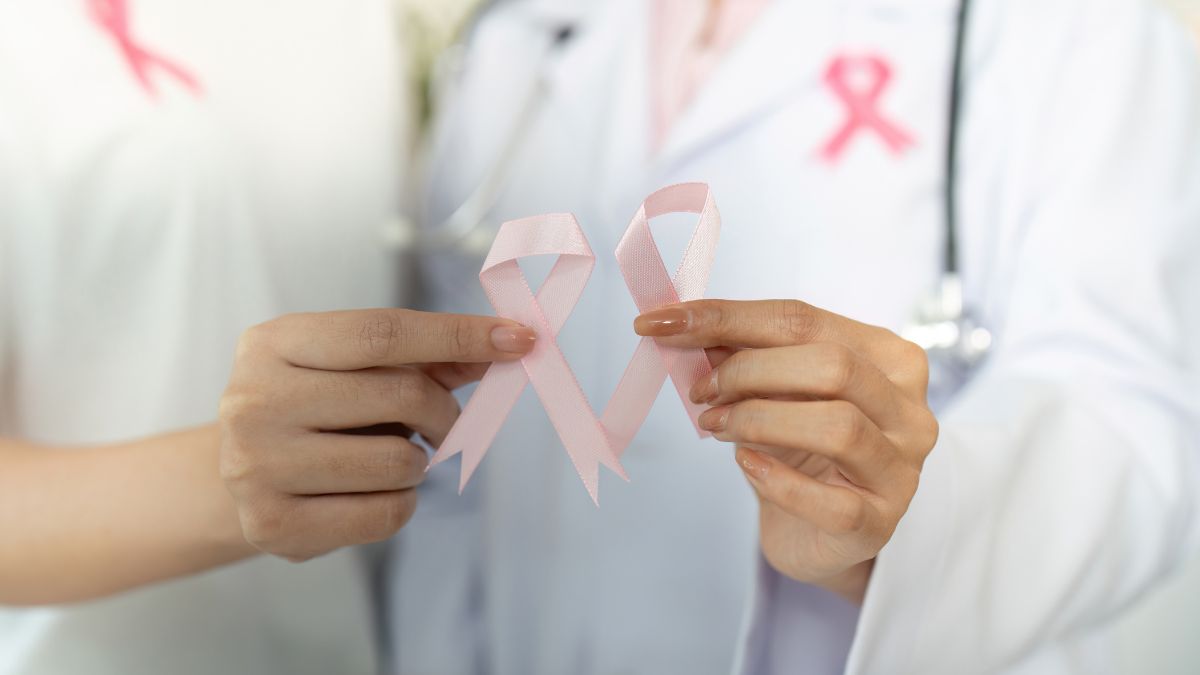
Cancer care has traditionally focused on medical treatments such as surgery, chemotherapy, radiation therapy, and targeted drugs. While these therapies remain the backbone of oncology, healthcare experts increasingly recognize that fighting cancer requires far more than medicine alone.
Emotional support, mental health care, lifestyle interventions, peer networks, and digital health technologies are now emerging as critical components of a comprehensive cancer care model.

Modern oncology is moving toward a holistic approach that addresses the physical, psychological, and social needs of patients.
This model emphasizes that patients need strong support systems throughout their entire cancer journey—from diagnosis and treatment to survivorship and long-term recovery.
According to global health experts, cancer is not just a biological disease but also a social and psychological challenge that affects patients, families, and communities.

As a result, healthcare systems around the world are adopting new patient-centered support models designed to improve both survival outcomes and quality of life.
The Growing Global Burden of Cancer
Cancer remains one of the leading causes of death worldwide, and the number of people living with cancer continues to increase.
In India alone, experts estimate that around 0.935 million new cancer cases may occur among women and about 0.934 million among men by 2026, reflecting the growing need for improved cancer care systems.

However, advances in early detection and treatment mean that more people are surviving cancer than ever before. This growing population of survivors has created new challenges in healthcare, including long-term emotional support, lifestyle management, and survivorship care.
Cancer survivors often experience significant psychological and social challenges even after treatment ends. These challenges highlight the need for a broader support model that goes beyond traditional medical care.
Why Medicine Alone Is Not Enough
Cancer treatment can be physically demanding and emotionally overwhelming. Many patients face stress, anxiety, and uncertainty throughout the treatment process.
Studies show that up to three out of four cancer patients experience psychological distress or cognitive concerns during their cancer journey.
Even after treatment ends, emotional challenges can persist. Research indicates that cancer survivors commonly experience:
- Anxiety in 7–21% of patients
- Depression in 8–24% of patients
- Distress in 25–41% of patients
In addition, more than one-third of cancer survivors report moderate to severe loneliness, particularly those with financial or social difficulties.
These statistics demonstrate that cancer affects not only the body but also the mental and emotional well-being of patients.
The New Model of Cancer Patient Support
The emerging model of cancer care focuses on whole-person support, integrating medical treatment with psychological, social, and lifestyle interventions.
This model typically includes:
- Psychological counseling and mental health services
- Peer support networks and survivor mentorship
- Nutrition and physical activity guidance
- Family and caregiver support programs
- Digital health technologies and mobile tools
Healthcare providers increasingly recognize that these components can significantly improve treatment adherence, emotional resilience, and overall recovery.
The Role of Emotional and Psychological Support
Mental health care is now considered a critical component of cancer treatment.
Distress screening is recommended in cancer care settings to identify patients experiencing emotional difficulties. Unfortunately, many patients still do not receive adequate psychological care, and only a minority discuss mental health concerns with their healthcare providers.
Psychological support programs help patients:
- Cope with treatment stress
- Manage fear of recurrence
- Improve emotional resilience
- Maintain motivation during long treatments
Support groups, counseling sessions, and therapy programs provide patients with safe spaces to share experiences and receive guidance from professionals and fellow survivors.
Peer Support and Survivor Networks
Peer support is one of the most powerful tools in modern cancer care.
Organizations around the world connect patients with cancer survivors who have already gone through similar experiences. One example is the non-profit Imerman Angels, which provides one-on-one mentoring between patients and survivors.
Through a network of more than 6,000 volunteers, the organization helps cancer patients receive emotional guidance from people who understand their journey firsthand.
Peer mentoring programs have several benefits:
- Reducing feelings of isolation
- Providing practical advice about treatment and recovery
- Encouraging emotional resilience
- Helping patients maintain hope during difficult stages of treatment
Support communities are also growing online, allowing patients to share experiences and access support regardless of location.
Lifestyle Interventions That Improve Cancer Outcomes
Beyond emotional support, lifestyle factors also play an important role in cancer recovery and survivorship.
Healthy habits such as regular physical activity, balanced nutrition, and avoiding tobacco use can significantly improve long-term outcomes for cancer survivors.
Clinical research has shown that exercise programs can have a powerful impact on survival. For example, a large international study involving 889 colon cancer patients found that those participating in structured exercise programs experienced 28% fewer cancer recurrences and 37% fewer deaths compared with patients who received only educational materials about lifestyle changes.
Lifestyle programs help patients:
- Improve physical strength and endurance
- Reduce treatment-related fatigue
- Lower the risk of recurrence
- Enhance mental well-being
As a result, many cancer centers now incorporate fitness counseling and rehabilitation programs into survivorship care plans.
Key Components of a Holistic Cancer Support Model
| Support Component | Purpose | Benefits |
|---|---|---|
| Psychological Counseling | Mental health care for patients | Reduces anxiety, depression, and distress |
| Peer Support Programs | Survivor-to-patient mentoring | Provides emotional guidance and hope |
| Physical Activity Programs | Exercise and rehabilitation | Improves survival and reduces recurrence |
| Nutrition Guidance | Healthy dietary strategies | Strengthens immune system and recovery |
| Family and Caregiver Support | Assistance for relatives | Improves patient care and emotional stability |
| Digital Health Tools | Apps and telemedicine services | Improves treatment monitoring and communication |
These integrated services create a support ecosystem that addresses every aspect of the cancer journey.
Technology and Innovation in Patient Support
Technology is playing an increasingly important role in supporting cancer patients.
New digital tools allow patients to monitor symptoms, communicate with healthcare providers, and receive emotional support remotely.
Artificial intelligence and machine learning are also being used to analyze patient experiences and improve personalized care strategies.
For example, some research projects are using mobile diaries and AI-powered systems to track emotional well-being among cancer survivors. These systems analyze daily experiences and identify when patients may need additional support or intervention.
Digital support tools may include:
- Mobile apps for symptom tracking
- Virtual support groups
- Telemedicine consultations
- AI-powered emotional health monitoring
These technologies are helping healthcare providers deliver more personalized and responsive care.
The Role of Community and Caregiver Support
Cancer affects not only patients but also their families and caregivers. Caregivers often experience stress, fatigue, and emotional strain while supporting loved ones during treatment.
Community-based support networks help families navigate these challenges. Local support groups, volunteer programs, and survivor organizations provide practical and emotional assistance for both patients and caregivers.
Some initiatives also focus on building community awareness and reducing stigma around cancer, encouraging patients to seek help and share their experiences openly.
The Future of Cancer Care: Whole-Person Treatment
The future of oncology is increasingly focused on treating the whole person rather than just the disease.
Healthcare systems are investing in programs that integrate medical care with psychological support, lifestyle coaching, and community engagement.
Experts believe that combining these approaches can:
- Improve treatment adherence
- Enhance patient satisfaction
- Reduce healthcare costs
- Improve long-term survival and quality of life
As cancer survival rates continue to improve, these holistic support models will become even more important for helping patients live healthier and more fulfilling lives after diagnosis.
The fight against cancer is evolving beyond traditional medical treatments. While advances in drugs and technology remain essential, experts now recognize that emotional support, mental health care, lifestyle changes, and strong social networks play equally important roles in improving cancer outcomes.
The new model of cancer care focuses on supporting the entire person—physically, emotionally, and socially. By integrating counseling, peer mentoring, healthy lifestyle programs, and digital health tools into cancer care, healthcare systems are creating a more compassionate and effective approach to treatment.
As this holistic model continues to develop, it offers new hope for millions of patients worldwide, proving that fighting cancer requires more than medicine—it requires a comprehensive support system built around the patient.
FAQs
Why is emotional support important for cancer patients?
Emotional support helps patients cope with stress, anxiety, and uncertainty, improving mental health and treatment adherence.
Can lifestyle changes improve cancer survival?
Yes. Studies show that exercise, healthy nutrition, and avoiding harmful habits can reduce recurrence and improve long-term survival.
What is the new model of cancer care?
It is a holistic approach that combines medical treatment with psychological support, lifestyle interventions, peer mentoring, and digital health tools.