
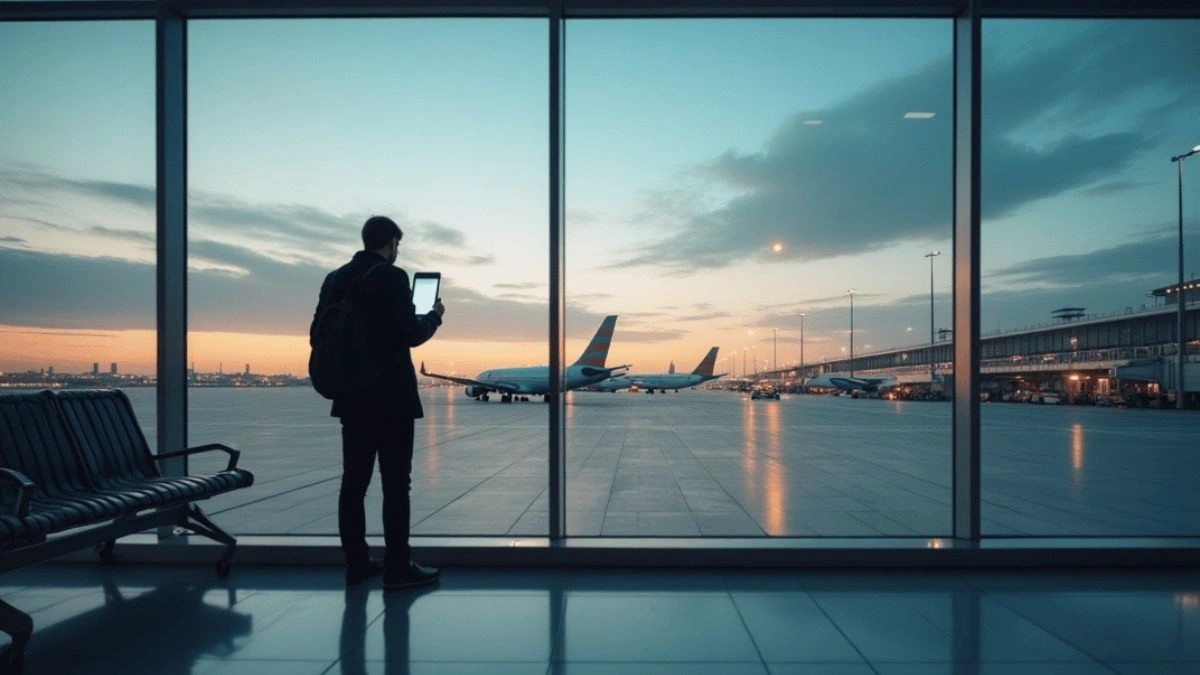
On March 24, 2026, major European carriers including Lufthansa, British Airways, Air France, KLM, and EasyJet faced widespread disruption following a temporary ceasefire in the Middle East.
Flights were either cancelled, delayed, or rerouted due to changing airspace conditions, directly impacting thousands of passengers—especially those traveling for the upcoming Hajj pilgrimage. In response, airlines activated refund, rebooking, and passenger care policies in line with European Union aviation rules.
Despite ongoing instability, some commercial routes remained operational, allowing a gradual resumption of services. However, authorities stressed that travelers should stay alert as conditions continued to evolve rapidly.
Ceasefire Leads to Partial Airspace Reopening
Following the ceasefire, airlines began cautiously evaluating the reopening of routes while complying with government-imposed restrictions. Airspace availability remained inconsistent, making travel planning uncertain.
Passengers flying between Europe and the Middle East were still protected under EU aviation regulations, ensuring access to assistance such as meals, accommodation, and alternative travel arrangements. However, the volatile security environment meant that disruptions could still occur at short notice.
Passenger Rights Under EU Aviation Regulations
European passenger rights played a critical role during this crisis. Travelers affected by cancellations or delays were entitled to:
- Meals, refreshments, and hotel accommodation
- Rebooking on alternative flights or routes
- Full ticket refunds upon request
Refunds could be issued either in cash or as vouchers, but only with passenger consent.
Importantly, these protections applied regardless of the cause of disruption, ensuring that passengers received necessary support even during emergencies.
No Compensation Due to Extraordinary Circumstances
Authorities classified the situation as an “extraordinary circumstance,” meaning airlines were not obligated to provide financial compensation for delays or cancellations.
Security risks and geopolitical instability were cited as valid reasons for this exemption. However, airlines were still required to fulfill their obligations regarding care, rebooking, and refunds, maintaining a balance between operational challenges and passenger protection.
Rebooking Options and Airline Responsibilities
Regulators emphasized that airlines must offer flexible rebooking solutions. Passengers were typically given three main options:
- Refund for unused tickets
- Alternative travel at the earliest possible time
- Rescheduled travel at a later, convenient date
Even in situations where routes were limited, airlines were expected to make every effort to secure alternative flights and keep passengers informed throughout the process.
Care Services: Meals, Hotels, and Assistance
Passenger care remained a top priority during disruptions. Airlines were required to provide:
- Food and refreshments during delays
- Hotel accommodation when overnight stays were necessary
- Continuous updates regarding travel arrangements
These services were mandatory under EU and UK aviation laws, offering reassurance to stranded travelers and helping manage the crisis effectively.
Consular Support and Repatriation Efforts
In cases where commercial flights were unavailable, governments and embassies played a key role. Travelers were advised to contact their consulates or embassies for assistance, including repatriation support where applicable.
It was clarified that state-organized repatriation flights are not considered commercial services, and costs associated with them may not be reimbursed by airlines.
Hajj Travel Preparations Continue Amid Uncertaint
As the Hajj pilgrimage approaches, travel planning has become more complex. Authorities reiterated that pilgrims must:
- Book travel only through official platforms such as Nusuk
- Ensure valid visas and documentation
- Stay connected with tour operators and travel groups
Health and safety guidance was also emphasized, including vaccination requirements and precautions against extreme heat and contagious illnesses.
Safety Alerts and Travel Advisories
Travel advisories remained strict for certain regions. For example:
- Travel to Iran was strongly discouraged due to high security risks
- Travelers to Saudi Arabia were advised to remain cautious amid potential missile or drone threats
Passengers were encouraged to monitor official updates, maintain emergency plans, and stay informed through reliable sources.