
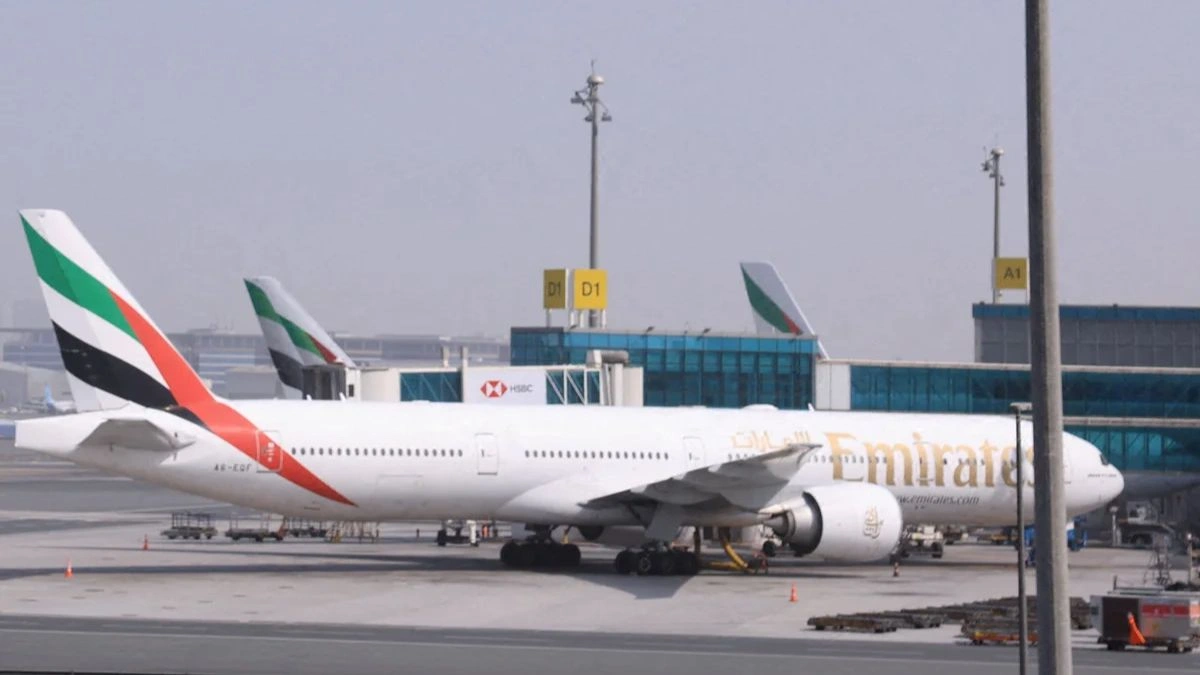
Air travel across the Middle East faced severe disruption as 293 flights were cancelled and 1,504 delayed, impacting thousands of passengers across the region.
Major aviation hubs including Dubai, Doha, Cairo, Istanbul, and Jeddah experienced widespread operational challenges, leaving travelers stranded or facing long delays. Leading airlines such as Emirates, Saudia, Qatar Airways, and Gulf Air were among the most affected, highlighting the scale of the disruption.
Airlines Hit Hard by Cancellations and Delays
The disruption impacted multiple airlines with varying degrees of cancellations and delays. Gulf Air recorded the highest number of cancellations, while carriers like Saudia and Flynas saw significant delays.
Other major airlines, including Emirates and Qatar Airways, also faced operational setbacks, with flight schedules heavily affected. The combination of delays and cancellations created a ripple effect across connecting routes, making travel even more complicated for passengers.
Airport-Wise Impact Across the Region
The disruption extended across several key airports, each experiencing different levels of impact:
- Bahrain International Airport: High cancellation rates, with most flights affected
- Cairo International Airport: Significant delays, impacting nearly one-third of flights
- Dubai International Airport: Around 29% of flights delayed, causing major congestion
- Hamad International Airport (Doha): Both cancellations and moderate delays reported
- King Abdulaziz Airport (Jeddah): Over half of flights delayed, one of the worst-hit hubs
- Istanbul Airport: Moderate delays but relatively fewer cancellations
These disruptions underline the widespread nature of the crisis across both Gulf and neighboring regions.
Key Reasons Behind the Travel Disruptions
Several factors contributed to the large-scale aviation disruptions:
Operational Challenges
Airlines reported internal operational issues that affected their ability to maintain regular flight schedules, leading to cancellations and delays.
Geopolitical Tensions
Ongoing tensions in the Middle East resulted in airspace restrictions and increased safety concerns, directly impacting flight routes and scheduling.
Air Traffic Congestion
Busy airports faced air traffic control limitations, leading to delays in departures and arrivals, further compounding the situation.
Together, these factors created a complex environment that disrupted normal travel operations across the region.
Passenger Experience: Delays, Rebooking, and Uncertainty
Passengers across the Middle East faced long wait times, missed connections, and uncertainty regarding their travel plans. Many were forced to seek alternative flights, while others dealt with extended delays at airports.
The disruption has highlighted the vulnerability of air travel during periods of instability, especially in regions where geopolitical developments can rapidly affect aviation operations.
Travel Tips for Affected Passengers
To navigate such disruptions effectively, travelers are advised to:
- Monitor flight status regularly through airline websites or apps
- Arrive early at airports to account for delays and security checks
- Stay connected with airlines for updates and rebooking options
- Understand passenger rights, including compensation policies
- Consider travel insurance to cover unexpected expenses
Being proactive and informed can help minimize inconvenience during such disruptions.