
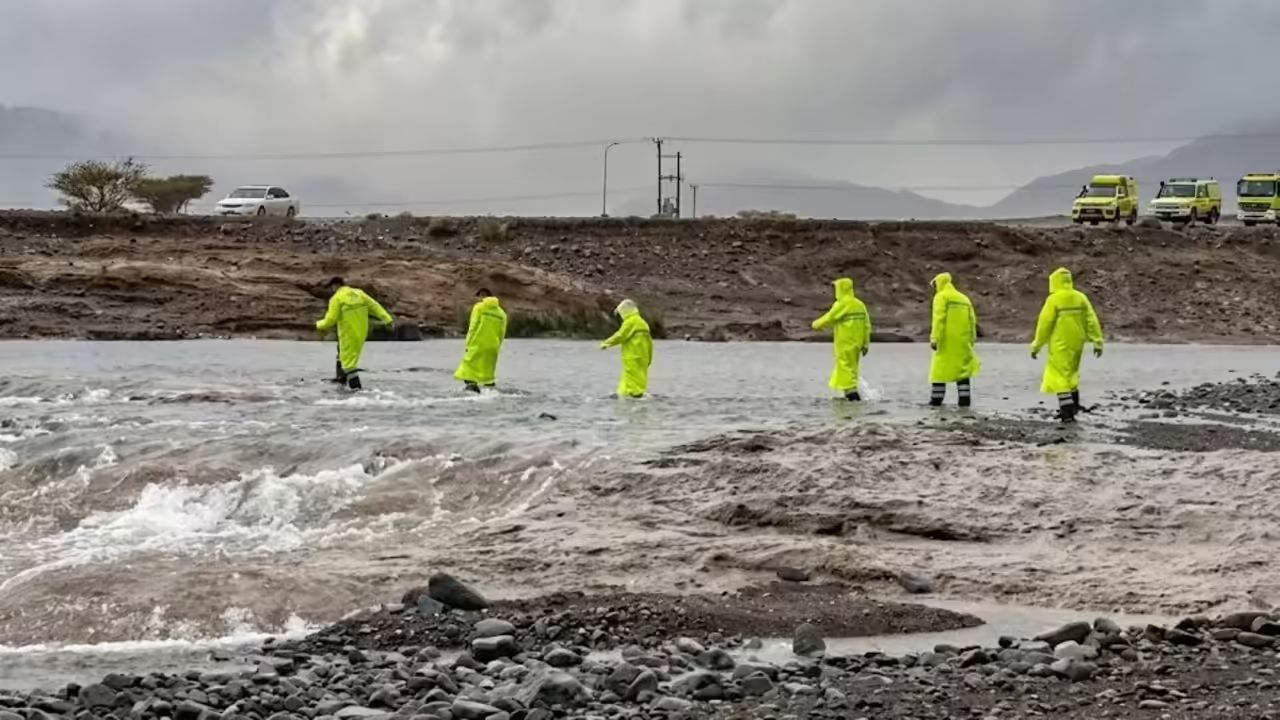
The Sultanate of Oman is currently facing a severe natural disaster as deadly flash floods have struck multiple regions, leaving casualties, widespread damage, and thousands affected. Authorities have issued an emergency alert across several areas, warning residents to stay cautious as the storm system is expected to continue until March 30, 2026. The situation remains critical, with rescue teams working around the clock to manage the crisis and prevent further loss of life.
Overview of the Flash Flood Crisis in Oman
What Caused the Flash Floods in Oman?
The flash floods in Oman have been triggered by an intense weather system bringing heavy rainfall across the country. This system has led to sudden water accumulation in low-lying areas, valleys, and urban zones. Due to the dry desert terrain, the ground absorbs water slowly, increasing the chances of rapid flooding.
Regions Affected by the Oman Flash Flood Emergency
Several regions in Oman have been placed under high alert due to the dangerous conditions. These include:
- Muscat
- Nakhal
- Barka
- South Al Batinah
- Musandam
- Al Dakhiliyah
Impact of Flash Floods: Lives Lost and Infrastructure Damage
Casualties and Human Impact
Tragically, the flash floods have resulted in loss of life. Authorities have confirmed multiple deaths, while several individuals remain stranded or missing in affected areas. Rescue teams are actively searching for survivors and providing medical assistance to those injured.
Damage to Roads, Homes, and Public Infrastructure
The floods have caused extensive damage across Oman. Roads have been washed away, bridges weakened, and vehicles swept off streets. Urban areas have experienced waterlogging, making transportation extremely difficult.
Below is a table summarizing the key impacts of the Oman flash floods:
| Category | Impact Details |
|---|---|
| Human Casualties | Multiple deaths confirmed, several missing |
| Infrastructure | Roads damaged, bridges weakened |
| Housing | Homes flooded and families displaced |
| Transportation | Major disruptions, vehicles stranded |
| Emergency Response | Rescue teams deployed across regions |
Emergency Measures and Government Response
Official Emergency Alert Until March 30, 2026
The government has issued a strong emergency alert that will remain in effect until March 30, 2026. Residents are advised to stay indoors, avoid flood-prone areas, and follow instructions from local authorities.
Rescue Operations and Safety Efforts
Emergency teams, including police, civil defense, and rescue units, have been working tirelessly to evacuate stranded individuals and provide aid. Helicopters and boats are being used in areas where roads are inaccessible.
Key safety measures being implemented include:
- Evacuation of high-risk areas
- Closure of flooded roads
- Continuous weather monitoring
- Public awareness campaigns
Weather Forecast and Ongoing Risks
Storm System Expected to Continue
Meteorological experts have confirmed that the current weather system will likely persist until the end of March 2026. This means that Oman may continue to experience heavy rainfall, strong winds, and possible flash floods in the coming days.
Areas Most at Risk
Regions with low elevation, poor drainage, or proximity to valleys are at the highest risk of flooding. Coastal areas and mountainous regions may also face additional hazards such as landslides.
Safety Guidelines for Residents and Travelers
What People Should Do During Flash Floods
Authorities have issued clear safety guidelines to help people protect themselves:
- Avoid driving through flooded roads
- Stay away from valleys and low-lying areas
- Keep emergency supplies ready
- Follow official weather updates
- Move to higher ground if necessary
Travel Advisory and Public Warnings
Travelers are strongly advised to postpone non-essential trips to Oman until the situation stabilizes. Flights, road transport, and tourism activities may be affected due to ongoing weather conditions.
Long-Term Concerns and Climate Impact
Rising Frequency of Extreme Weather Events
This disaster highlights a growing concern about the increasing frequency of extreme weather events. Climate changes may be contributing to unpredictable rainfall patterns, making regions like Oman more vulnerable to sudden floods.
Importance of Preparedness and Awareness
Preparedness plays a key role in minimizing damage during natural disasters. Governments and communities must invest in better drainage systems, emergency response plans, and public awareness programs.
Conclusion
The deadly flash floods in Oman have created a serious emergency situation, affecting multiple regions and causing loss of life and property. With the storm system expected to continue until March 30, 2026, authorities remain on high alert and are working tirelessly to manage the crisis.